
What solutions are there for effective beach cleaning?
Sandy beaches are the most exposed to waste of all types, both deposited by the sea—sometimes after years adrift—and intentionally dropped or left by people. 80% of marine pollution comes from dry land (such as packaging and wrappers, cigarette butts, and industrial waste carried by rivers). But how can beach screening and sieving take place without harming plant and animal life?
The 100-meter strip under pressure
The 100 meters of sea closest to the beach are both the richest in biodiversity and the most exposed to physical pollution. Current estimates suggest there are over 350 pieces of buried waste per 100 meters of beach.
Just imagine how much trash can be found in the first two meters of depth along our shores, not to mention the waste that settles to the seabed along our coasts.
With high-performance, tailored technology, if we take action quickly, we can prevent it from burying itself deep in the sand or the seabed by retrieving it without harming or destroying the surrounding plant and animal life.
A technical innovation that boosts waste collection
In response to this crisis, increasingly effective technology-based solutions have been rolled out with the aim of protecting the environment.
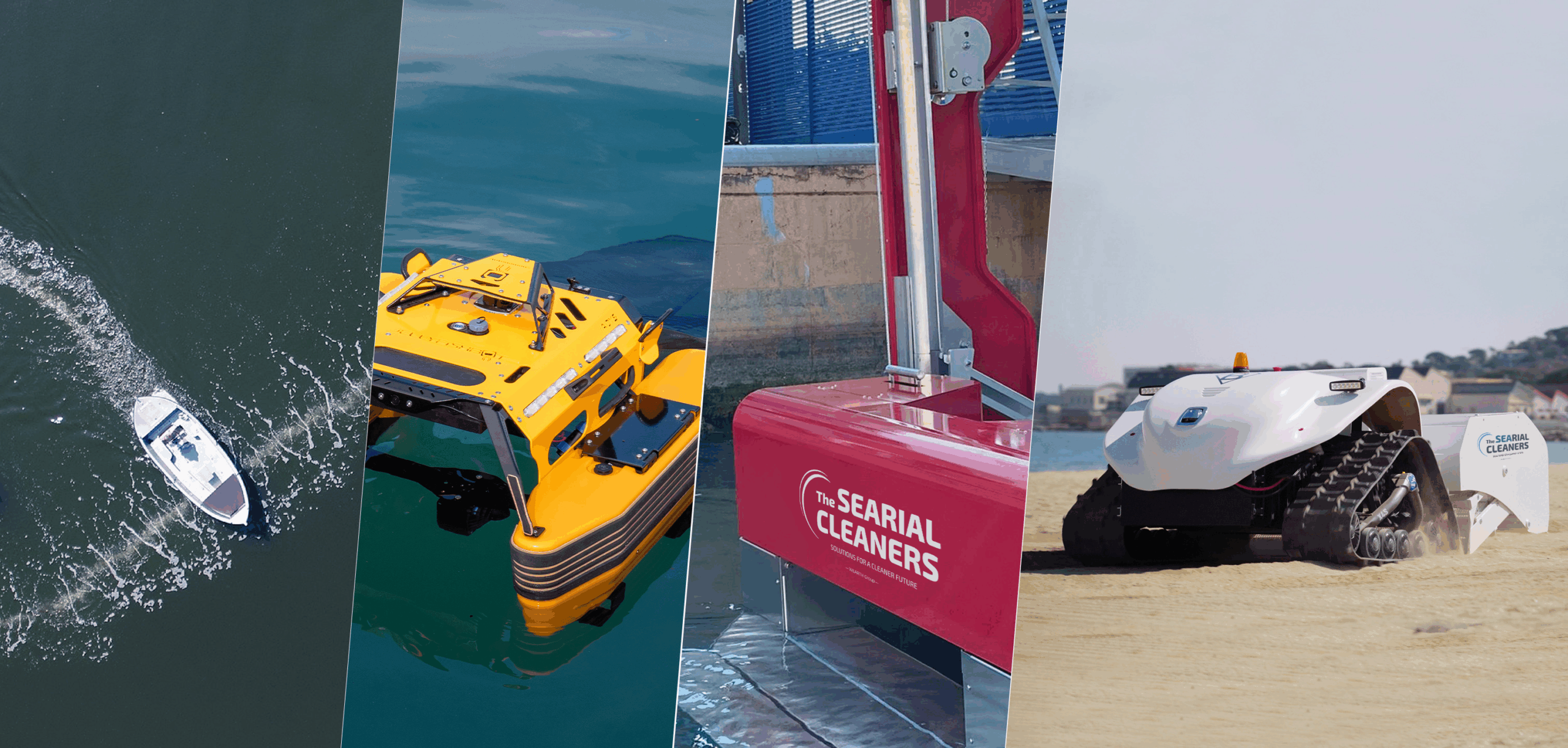
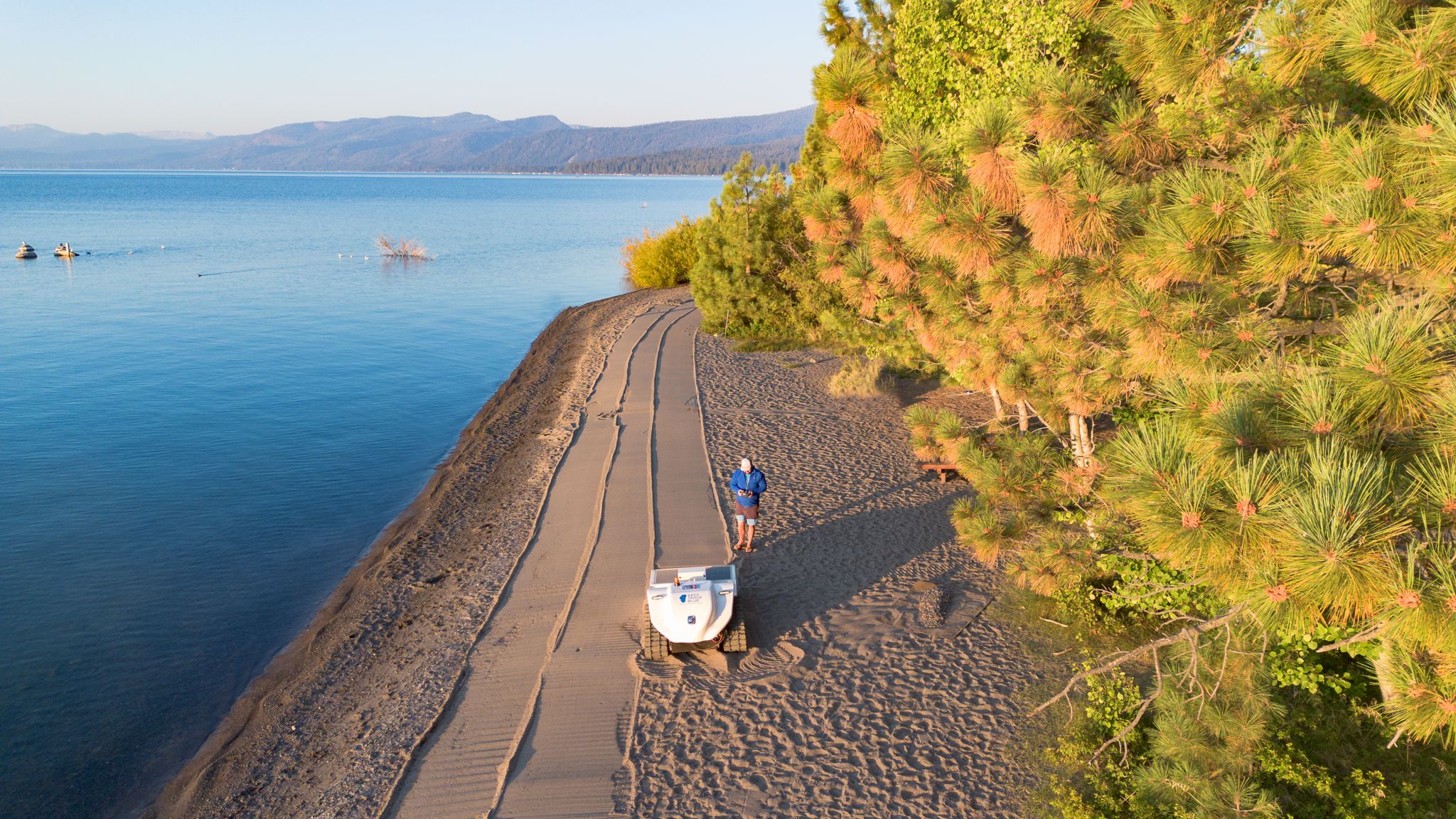
- “Focused screening”: mass sand screening on beaches, which destroys the “wrack line” (a natural ecosystem), is gradually being abandoned in favor of more targeted and accurate screening. BeBot, the beach-screening robot, is one such example.
- Bubble curtains: bubble curtain systems like Invisibubble are installed at river mouths to trap plastic before it reaches the ocean or is discharged onto the coastline.
- Autonomous drones: autonomous marine drones, like Jellyfishbot, can now patrol marinas and watersides to collect surface waste.
Our mission is to offer you the most appropriate solution—or solutions—for your area. We use our waste collection expertise to suggest the most effective way of tackling your pollution problem.